Get more out of every day
Changes in hearing can be subtle at first. Find out if hearing loss may be interfering with your life.
Daily maintenance is a must when you wear hearing aids. Get expert tips on how to keep your devices clean.
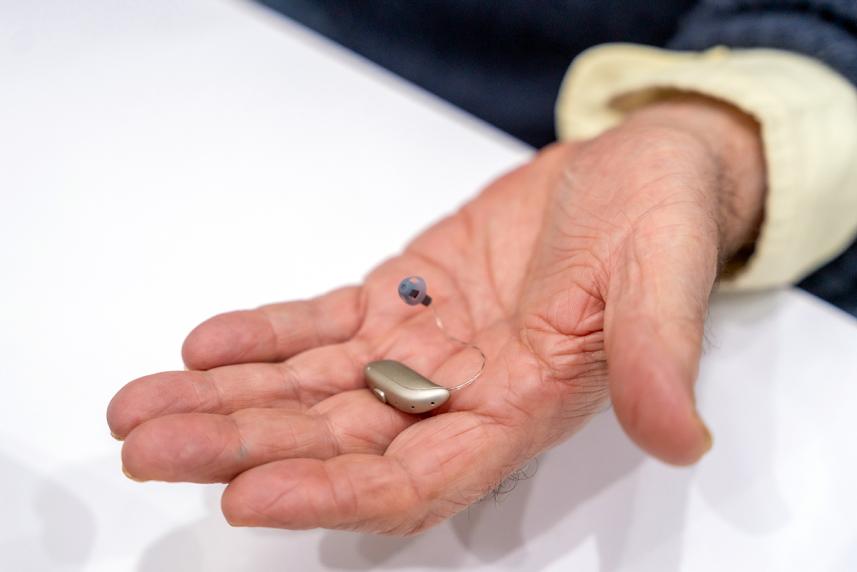
Hearing aids are an investment. Not only because you spent money on them. But also because using them helps you stay connected — to your friends, family and the wider world. That’s good for your brain, your health and your social life.
So it’s important to take care of them. They can get dirty fast. Everything from earwax to sweat can build up in these devices. That can affect the way they work and damage them over time.1
Luckily, a cleaning and care routine takes only a few minutes a day. Your hearing care professional will probably show you how to clean your new devices at the fitting, says Joe W. Griffith, III, Au.D. He’s an audiologist and the owner of Accessible Hearing Aids in Metairie, Louisiana.
Here are the general steps Griffith recommends to his patients.
Changes in hearing can be subtle at first. Find out if hearing loss may be interfering with your life.
Remove your hearing aids from your ears. Many people find it easiest to clean their devices at the end of the day, as part of their bedtime routine.
Brush off any earwax or dirt that you see on the outside of your device. That includes the microphone, receiver and plastic shell.
Hearing aid companies usually include a tiny cleaning brush when you buy their devices (or you can order one online). Use that to brush away the debris. You can also use an old toothbrush, Griffith says.
Wipe all those parts down with a dry microfiber cloth. You can also use a dry paper towel. (Caution: Never use a wet cloth, soap or rubbing alcohol to clean your devices. That can damage them.)
Simple, right? The important part is that you do this every day, says Griffith.
“It clears out debris and oils from around the microphone covers, where the sound is picked up by the hearing device,” he explains. It also keeps the sound port (where the sound is coming out) clear.
There are a few ways to protect your hearing aids from dirt, debris and wax buildup, says Griffith.
Avoid excess moisture. That can be from water or sweat. So don’t wear your hearing aids while you’re in the shower or swimming.2 Do you sweat a lot when you exercise? “There are covers and sleeves your hearing care professional can put on the hearing aids that give an extra layer of protection,” Griffith says.
Take care when using hairspray. Don’t spray if you have your hearing aids on. Spritz your hair first and let it dry. Then put in your devices. “Hairspray can build up a layer on the outside of the hearing aid,” Griffith says. “Sometimes it can also get into the microphone and keep it from vibrating properly.”
Check the wax guards every month or so. A wax guard, also called a wax filter or trap, is a tiny mesh cap that fits under the receiver’s dome. Wax guards get dirty and need to be changed periodically. A clogged wax filter can affect your device’s sound.
Get your hearing aids professionally cleaned every 6 to 12 months. That’s when your audiologist or hearing aid dispenser will take apart your devices and make sure the microphone covers and wax filters are clear. “I can also tell if a patient may be having trouble keeping them clean,” says Griffith. If that’s the case, he’ll go over the home cleaning routine again.
If you have questions or need a refresher before the checkup, just call your hearing care professional. They’ll be happy to answer any questions.
As an AARP® member, you get a trial period and upfront pricing — plus you can select the level of care that fits your needs. Learn more.
Sources
Published Dec 29, 2025
Information is for educational purposes only and is not a substitute for the advice of a licensed medical provider. Consult your provider prior to making changes to your lifestyle or health care routine.
AARP Hearing Solutions is available to all AARP members and does not require a health insurance plan from UnitedHealthcare. The AARP hearing program discount cannot be combined with any other discounts, promotions, coupons or hearing aid benefit plans unless noted herein. Products or services that are reimbursable by federal programs including Medicare and Medicaid are not available on a discounted or complimentary basis. AARP commercial member benefits are provided by third parties, not by AARP or its affiliates. Providers pay a royalty fee to AARP for the use of its intellectual property. These fees are used for the general purposes of AARP. Some provider offers are subject to change and may have restrictions. Please contact the provider directly for details. UnitedHealthcare Hearing is provided through UnitedHealthcare, offered to existing members of certain products underwritten or provided by UnitedHealthcare Insurance Company or its affiliates to provide specific hearing aid discounts. This is not an insurance nor managed care product, and fees or charges for services in excess of those defined in program materials are the member's responsibility. UnitedHealthcare does not endorse nor guarantee hearing aid products/services available through the hearing program. This program may not be available in all states or for all group sizes. Components subject to change.