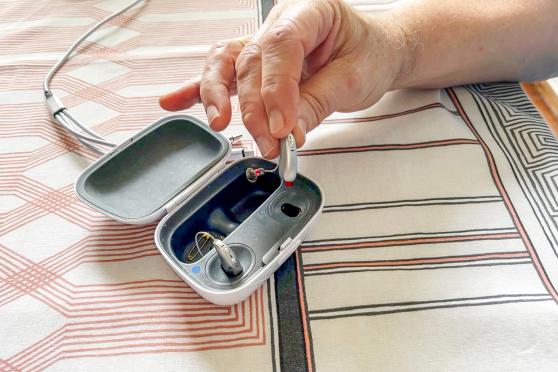
Ask an audiologist: What if I have hearing aid issues when I'm traveling?
Get the inside scoop from hearing expert Monica Murray of EPIC Hearing.
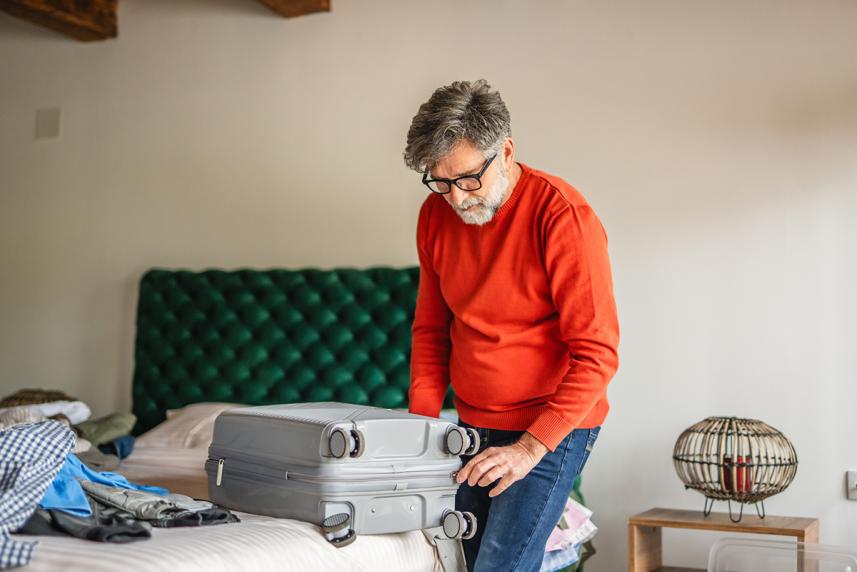
Many people start to notice hearing problems as they get older. And wearing hearing aids could make a big difference. Whether you’re new to the world of hearing aids or you’ve been wearing these devices for a while now, it’s normal to have some questions. In this series, an expert audiologist at EPIC Hearing gives helpful advice about common concerns.
Question
I’m going on vacation soon. What should I do if I have a problem with my hearing aids while I’m traveling?
Answer
It’s good that you’re thinking about this ahead of your trip. Being prepared and packing the right accessories can help keep your devices working well while you’re traveling. Here are the steps I recommend:
Pack a supply kit. The first step is to pack all the hearing aid supplies you’ll need while you’re away. It’s a good idea to use a zip-up pouch or bag to keep it all in one place. Here’s what you should have on your list:
- Charger, cable and adapter for rechargeable hearing aids. (A portable travel charging case is a great option if you have one.) You’ll need to charge your hearing aids every night, so you don’t want to forget this.
- A travel plug adapter if you’re going on vacation outside of the United States. Double-check that it will fit the outlets in the country you’re visiting.
- Cleaning supplies (brush, soft cloth), plus extra wax filters and domes in case you need to change those
- A drying kit or dehumidifier if you’re traveling to a humid place or going to the beach, so you’ll be prepared if your devices get wet
- Extra batteries (if your hearing aids use disposable batteries)
Learn how to troubleshoot. There are many problems you can solve with these supplies, so get familiar with how to use them. For example, if the sound quality isn’t great on one of your devices, the hearing aid may be clogged with wax — and you could change the wax guard yourself.
If you drop your hearing aids at the beach, you can use the brush to clean out the sand. You’ll be glad you brought a dry kit if your hearing aids get splashed at the pool. Pop them in to dry overnight and you should be good to go the next day.
If all else fails, there are a lot of YouTube videos online that can help you troubleshoot.
Get them tuned up ahead of time. Before you leave on your trip, you may want to swing by your hearing care professional’s office to check that your hearing aids are functioning properly. Your provider can give them a professional cleaning so they’re in top shape.
Have the name of a local provider on hand, just in case. This makes sense if your vacation is somewhere you go on a regular basis. Maybe you rent the same beach house in Florida each year, for example. Or you visit family members at their home for a few weeks at a time. Then I think it’s a good idea to ask your audiologist or hearing aid dispenser for the name of an in-network provider in that city or town.
Your hearing care professional may be able to call the manufacturer of your particular hearing aid, who could ask their local rep for a recommendation. This way you have a backup if your hearing aids stop working or need adjustments that you can’t handle on your own.
Remember, you can call your hearing care professional’s office for advice when you’re away from home, too. They’re always ready to help.
(Did you know that through EPIC Hearing Healthcare, you get up to 3 follow-up visits at no extra cost and a trial period to try out your new prescription hearing aids? Learn more.)
Meet the expert
Monica Murray, Au.D., is vice president of program development at EPIC Hearing and a nationally recognized hearing health expert.

Clinically reviewed
Published April 3, 2026
Information is for educational purposes only and is not a substitute for the advice of a licensed medical provider. Consult your provider prior to making changes to your lifestyle or health care routine.
Hearing aids purchased in the Silver technology level will receive 1 follow-up visit.